
Stories from the Forests:
Understanding Kumaoni Folktales
How do Kumaon Himalayan narratives teach harmony with nature? How do these stories retain cultural importance over time? What’s the role of storytelling and rituals in cultural preservation?
DURATION: 3 DAYS | Starting Date: 15.09.2023 | BATCH: September 2023

Kumaoni belief practices and rituals of worship
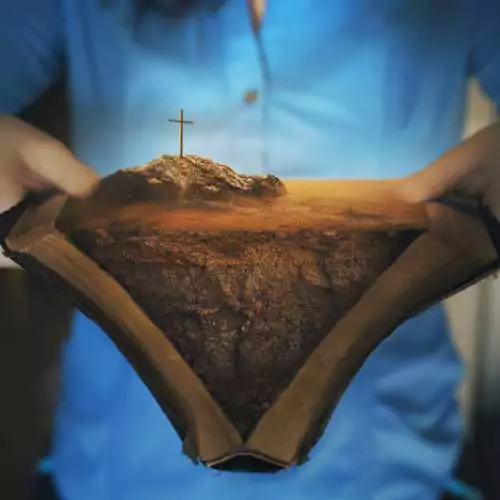
Learn to interpret stories and folktales
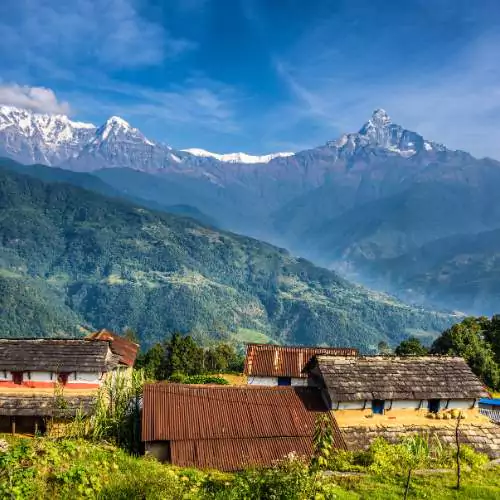
Introduction to everyday life in rural India
What You Will Learn
Stories about deities, mysticism, faith and worship are rich narratives from the Kumaon Himalayas that tell us about people’s interconnectedness with nature, their lands, their rivers and their resources. These stories help us understand how these communities in the mountains live their everyday lives and make sense of conflict, misfortunes and grievances.
This course brings together three stories that are embedded in a shared consciousness of the invincibility of nature. Nature, that may manifest in the form of deities and spirits, holds important lessons of balance and justice for mortal beings that are meant to help people remain connected to the earth and to one another.
These stories were narrated in Kumaoni and Hindi. They were heard as individual narrations during one-to-one conversations as well as part of ritualistic processes that I attended. I have translated these into English. Every session with begin with a narration of the story and then proceed to analyse and understand the meanings these stories hold, a reason for them being repeatedly told over generations, even as they remain fluid in the dynamics of their content.
Meet Your Instructor
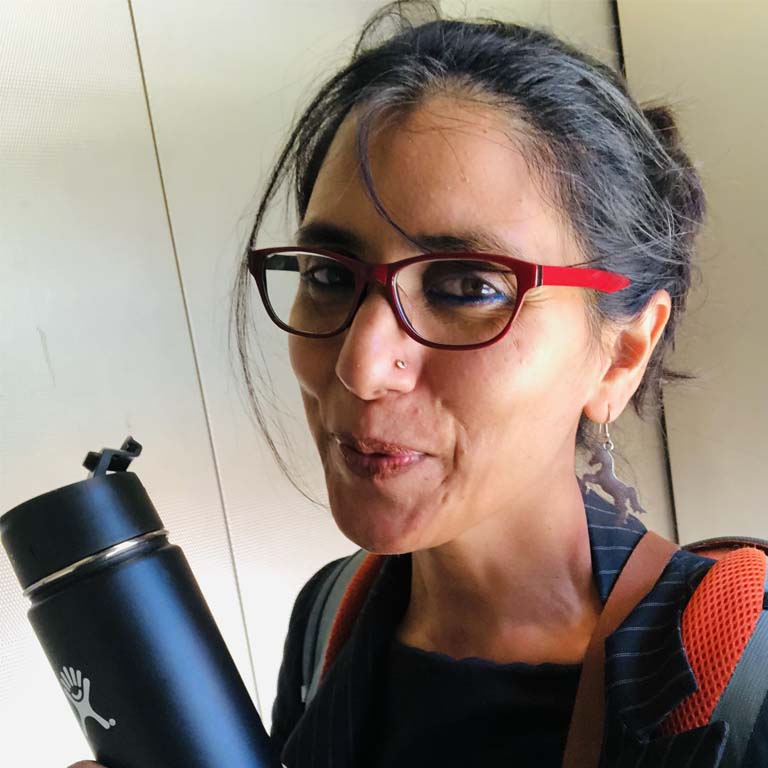
Dr. Sonali Gupta
Sonali Gupta, LL.B., Ph.D. (UCLA) specializes in archaeology and has worked for nearly a decade in Egypt, India, Indonesia, and Malaysia. She is an anthropological archaeologist and has led the first international field school in India under her project “Myth and Reality in the Himalayas.”
Sonali has taught at the University of California, Los Angeles, the National Museum in New Delhi, and her Institute of which she is the Founding Director, The Himalayan Institute of Cultural & Heritage Studies Foundation (HICHS), situated in Dhami in Rural Shimla, Himachal Pradesh. Her core area of research is cultural transmission of both tangible and intangible cultural heritage. She has various projects in collaboration with Flinders University, Institute of Field Research, University of Delhi, and the Archaeological Survey of India.